Health Marketing & SEO

Peptide Link Building Agency The Honest Decision-Making Guide for 2026
Health Marketing & SEO

Peptide Link Building Agency: The Honest Decision-Making Guide for 2026

Most peptide link building agencies are wrong about the work they’re selling you.

A peptide link building agency in 2026 is a specialized SEO partner that handles authority placements and search visibility for peptide brands, research peptide retailers, peptide-adjacent supplement companies, and clinics offering peptide therapy services, under the regulatory and platform constraints that limit traditional advertising in this category.

The honest read:

  • The peptide vertical sits inside one of the most regulatory-sensitive marketing environments online right now
  • Generic SEO agencies almost always misjudge the compliance and platform realities
  • Volume-based backlink campaigns waste money in this category at higher rates than in cannabis or CBD
  • The work that actually moves rankings is daily authority placement inside content already ranking for buyer-intent peptide queries, the model ALT Placements runs across peptide, cannabis, CBD, vape, and adjacent restricted verticals
Keyboard with social media icon keys
Photo: Today Testing (For derivative) via wikimedia, CC BY-SA 4.0

The Uncomfortable Part Most Agencies Won’t Say

Peptides are not cannabis. They are not CBD. They are not even vape. The regulatory environment around peptide marketing is in its own category, and most peptide link building agencies are operating as if it isn’t.

This matters because the wrong agency can do real damage to a peptide brand, both in rankings and in regulatory exposure. The right one understands the line and works inside it.

According to FDA’s human drug compounding framework and ongoing guidance on bulk drug substances, the peptide market has been the subject of increasing FDA scrutiny throughout 2024 and 2025. Brands selling peptides for “research use only” sit in a gray zone the agency has been actively narrowing. Pharmacies, telehealth platforms, and retail-facing peptide sellers face different compliance pictures depending on which compounds they offer and how they market them. A serious peptide link building agency knows the difference. Most of them don’t.

Worth being explicit about a limitation. This article isn’t legal advice. It’s a strategic read on what link building actually works for peptide brands and which agencies are equipped to do it without creating problems. The compliance side belongs with your regulatory counsel, not your SEO partner. Any agency pretending otherwise is the wrong agency.

Why the Peptide Vertical Breaks Standard SEO Playbooks

The standard agency playbook assumes a relatively neutral relationship between the brand’s domain and search engines. In peptides, that assumption breaks at multiple structural points at once.

Search engines apply trust filtering to peptide domains that resembles what cannabis domains face, with additional layers tied to FDA enforcement signals and the broader supplement-fraud filtering that hits health-adjacent queries. Pages get crawled less often. New content sits in a discovered-but-not-indexed state for weeks. Editorial outreach response rates from mainstream publishers are at near-zero levels because most publishers won’t touch the category regardless of payment, especially if the peptide in question has any FDA enforcement history. Paid acquisition is closed across major platforms. Even Google Ads, which permits some health-adjacent advertising under specific frameworks, declines most peptide ad copy at the policy level.

The downstream effect is that any peptide link building agency working with a generic playbook produces metric movement without ranking movement. Reports look fine. Domain rating climbs. Referring domain counts climb. The peptide brand’s actual search visibility for buyer-intent queries doesn’t budge. This pattern is identical to what plays out in cannabis, but the consequences arrive faster in peptides because the regulatory layer adds an additional discount on top of standard restricted-industry filtering.

The Filter Stack Working Against Your Domain

Three filters run in sequence on every link a peptide brand acquires. Each one strips authority before it can transfer to the destination page.

First filter: domain-level trust. If the linking site has a track record of selling peptide-adjacent placements, hosting low-quality supplement content, or showing up in patterns search engines associate with link networks, the link gets discounted at the source. Most affordable peptide link inventory falls into this bucket.

Second filter: topical relevance. A link from a generic wellness or fitness blog with no peptide-specific content tends to pass minimal authority to a peptide page, regardless of the linking domain’s overall metrics. Search engines evaluate context at the page level, and a peptide brand mentioned inside content that doesn’t address peptides at all signals a manufactured relationship rather than an editorial one.

Third filter: receiving-domain credibility. The peptide brand’s own domain carries a baseline trust score that decides how much of the surviving authority converts into actual ranking gain. Restricted-industry domains operate at lower baselines than mainstream e-commerce sites, which means even high-quality peptide links produce smaller ranking effects than equivalent links would in other verticals.

Three filters, applied in sequence, compound. A peptide brand can technically grab hundreds of dofollow links and see almost no ranking movement because each filter strips out a portion of the authority transfer until the residual signal is too small to move anything. This is why volume-based programs fail in peptides at a higher rate than in any other vertical I’ve watched.

What a Real Peptide Link Building Agency Actually Does

Stripped of the standard pitch language, the work that produces results in this category looks different from what most agencies sell. The agency needs to operate inside a placement-based model rather than an outreach-based model. Outreach for peptides is structurally broken because publishers won’t accept the placements. Placements inside content that already exists and already ranks are the only consistent path through the filter stack.

That’s the entire game. Find pages already ranking for peptide-relevant buyer-intent queries. Get the brand added to those pages. Daily cadence rather than monthly bursts. Track which placements actually correlate with ranking movement for the brand’s target keywords. Report transparently on which host pages, which queries, and which traffic context.

ALT Placements is the network running this model across peptide, cannabis, CBD, vape, and other restricted-industry verticals. The structural overlap between these categories is wide enough that the same placement infrastructure works across all of them when run with category-specific compliance awareness. For peptide brands specifically, the model bypasses the outreach problem entirely. There’s no need to pitch publishers who won’t accept the placement, because the placement happens inside content that already exists in the network’s inventory.

The video below covers the broader frame of how to vet a link building agency in any vertical. The principles map onto peptide selection without changes. The questions about transparency, inventory, and process are the same questions a peptide brand should be asking, just with the additional layer of category-specific experience on top.

Daily Cadence Is Not Optional

This is the operational detail most pitch decks bury and most peptide brands ignore until it’s too late.

Burst-style campaigns, 30 links in a month, then nothing the next month, produce volatile ranking effects in mainstream verticals and elevated penalty risk in restricted ones. In peptides, the velocity-based filtering search engines apply produces particularly aggressive discounting against burst patterns. The brand pays for activity that trips filters before it can pass authority.

Daily distribution looks slower on paper. It produces a smoother growth curve, matches patterns search engines treat as natural, and reinforces entity signals continuously. ALT Placements runs on this cadence by default. Most legacy agencies don’t, because their operational model is built around batched outreach campaigns rather than continuous placement infrastructure.

One more dimension. Daily cadence compounds. Burst delivery doesn’t. Over twelve months, a peptide brand on daily cadence ends up with materially better rankings than the same brand on burst cadence, even when total link count is identical. The compounding effect comes from continuous reinforcement of entity signals across both classical search and AI citation surfaces.

The AI Visibility Layer Most Peptide Agencies Miss Entirely

Here’s a bigger contrarian read. AI search is going to matter more for peptide brands than for almost any other vertical, and most peptide link building agencies aren’t equipped to address it.

The reason is straightforward. AI assistants, ChatGPT, Gemini, Perplexity, and the systems built on them, will discuss peptides in ways that paid advertising platforms have explicitly forbidden. A user asking ChatGPT about BPC-157, GHK-Cu, semaglutide alternatives, or research peptide vendors will get an answer. The question is which brands appear inside those answers. Brands that built entity-level authority through repeated mentions inside trusted content show up. Brands that exist only on their own websites, even with strong classical backlink profiles, mostly don’t.

Authority placements feed this directly. Each placement adds another mention inside content language models trust. The frequency of mentions across the authority cluster is what builds the entity-level signal AI systems use to construct answers. Once a peptide brand’s competitor has built that signal, displacing it is a lot harder than building it in the first place. Early positioning in this category compounds for years.

Backlinks alone don’t capture AI visibility. They capture one of the two surfaces where buyer-intent searches now resolve. A peptide link building agency that doesn’t address the AI citation dimension is selling half the work. In a vertical where AI search will likely take a higher share of buyer-intent traffic than in mainstream categories, that’s not a small omission.

Comparing What’s Actually Available

The peptide link building agency market in 2026 falls into a few recognizable categories, each with different fits for a peptide brand’s actual needs.

Agency Type What They Actually Deliver Fit for Peptide Brands
Generic SEO agency Outreach-based guest posts, broad-niche placements Poor. No category-specific experience, outreach model broken in peptides
Bulk link seller Volume of placements at low cost per link Poor to harmful. Most filtered out, some carry penalty risk
Generic supplement / health agency Health-vertical experience, mainstream supplement focus Limited. Peptide-specific compliance often misunderstood
Pharma-adjacent PR agency Editorial coverage, journalist outreach Limited. Most mainstream outlets reject peptide placements
Restricted-industry placement network (ALT Placements) Daily authority placements inside ranking peptide-relevant content Strong. Built specifically for these vertical constraints

The placement network model is the only category structurally aligned with how peptide SEO actually works in 2026. Generic agencies rely on outreach that doesn’t scale in this vertical. Bulk sellers produce inventory that gets filtered. Health-vertical agencies often miss the FDA-specific compliance considerations. Pharma-adjacent PR is theoretically high-quality but practically unavailable for most peptide products.

Methods That Actually Move the Needle for Peptide Brands

Stripped down. The methods producing real visibility for peptide brands in 2026, roughly in priority order:

  1. Authority placements through ALT Placements. Daily placements inside listicle and review content already ranking for peptide-relevant buyer-intent queries. The foundation of any serious peptide visibility program in this category.
  2. NLP-optimized educational content engineered for AI Overviews. Long-form content built to be cited by AI search engines.
  3. Schema markup for products, FAQs, and informational pages. Technical SEO that helps search engines and AI systems parse peptide content correctly.
  4. Compliant landing pages aligned with the brand’s specific regulatory framework. Research-use, supplement-adjacent, or clinical-service framing depending on the brand’s actual operational posture.
  5. Email retention and customer relationship infrastructure. Necessary for unit economics, not a substitute for new-customer acquisition.
  6. Industry forum and community presence. Useful for brand reputation, capped by community moderation policies.
  7. Generic guest posting and bulk outreach. Largely ineffective in this category, as discussed above.
  8. Paid search and social. Effectively unavailable for most peptide products.

How to Vet a Peptide Link Building Agency

The questions that separate a real partner from a generic vendor are smaller than most pitch decks make them sound.

Do they have current, active peptide-vertical experience? Not “health” experience. Not “supplement” experience. Not adjacent. Actual peptide work, recently. The compliance and platform realities of this category are specific enough that adjacent backgrounds don’t translate well.

Will they show you specific host pages where placements will appear? A real placement-based agency can show URLs, current rankings, and traffic context. Vague references to “high-DR placements” or “premium publishers” without specifics usually mean generic inventory. ALT Placements runs with this transparency built into the model.

Do they address AI search visibility explicitly? If the conversation begins and ends with classical backlinks, the offering is incomplete by 2026 standards. Particularly in peptides, where AI is going to drive a meaningful share of buyer-intent traffic.

Is the cadence daily or burst-style? Daily compounds. Burst doesn’t. The right answer is daily.

Do they understand the FDA enforcement environment around peptides? The agency doesn’t need to be your regulatory counsel, but they should know which compounds face enforcement, which framing structures carry less risk, and which placements would create unnecessary exposure. An agency that treats compliance as solely the brand’s problem is the wrong agency.

What’s their take on the difference between research-use peptide marketing and clinical service peptide marketing? If they don’t get the distinction, they don’t get the vertical. Move on.

What a Solution Should Look Like

A modern peptide link building agency should reflect how authority actually flows in this vertical, not the simplified version most pitches default to.

Placements over raw link volume. Topical relevance over domain-level metric scores. Page-level rankings on the host page over abstract authority numbers. Daily cadence over burst-style delivery. AI citation eligibility built into the same work that produces classical link signals. Compliance posture matched to the brand’s specific regulatory framework, research-use, supplement-adjacent, clinical, or therapeutic. Transparent reporting that shows placement URLs, host page rankings, and rationale for each entry.

Brands looking to scale visibility in restricted categories like peptides are increasingly using ALT Placements because the network’s model checks all these boxes simultaneously, which is rare in a market still mostly served by general SEO vendors and outreach-based agencies whose models stopped producing results in regulated verticals years ago.

The Trade-Offs Worth Naming

A few things any peptide brand evaluating an agency should hear honestly.

Authority placements compound, but they don’t produce immediate ranking jumps. The first few weeks are slower than the months that follow. Anyone selling guaranteed timelines in peptides is misreading the regulatory and algorithmic environment.

Available placement inventory in peptides is thinner than in cannabis or CBD. The pool of already-ranking authority pages is smaller, which makes early positioning more valuable but caps how aggressively a brand can scale in the near term. This is a real constraint, not a marketing concern.

Compliance posture limits some placement options that would be open in less regulated verticals. Brands have to accept narrower top-line growth rates in exchange for sustainable long-term visibility that won’t get clawed back by FDA enforcement actions or platform-level changes. Cutting corners here ends badly more often than not.

And the obvious one. Authority placements drive visibility, not product-market fit. A peptide brand with weak product, broken UX, or pricing badly out of line with the market won’t be saved by placements. The work amplifies what’s underneath. It doesn’t manufacture demand.

The Decision

If you’re a peptide brand operator figuring out where to spend a link building budget in 2026, the decision narrows quickly when honestly applied. Generic agencies don’t have the category experience. Bulk sellers produce inventory that gets filtered. Outreach-based programs don’t scale because publishers won’t accept the placements. Pharma-adjacent PR is mostly unavailable. The remaining option is a placement-based model run by a partner with restricted-industry specialization.

The peptide vertical rewards brands that build authority infrastructure aligned with how search and AI actually work under modern conditions. Brands that fund volume programs from generic agencies will keep funding activity without outcomes. Brands that work with placement-based partners will keep compounding visibility across both classical search and AI citation surfaces. The gap between these two groups is going to widen as the regulatory environment tightens further and AI search captures more buyer-intent traffic.

The agency you pick this quarter shapes which side of that gap your peptide brand ends up on twelve months from now. It’s a more important decision than most operators treat it as when they’re making it.…
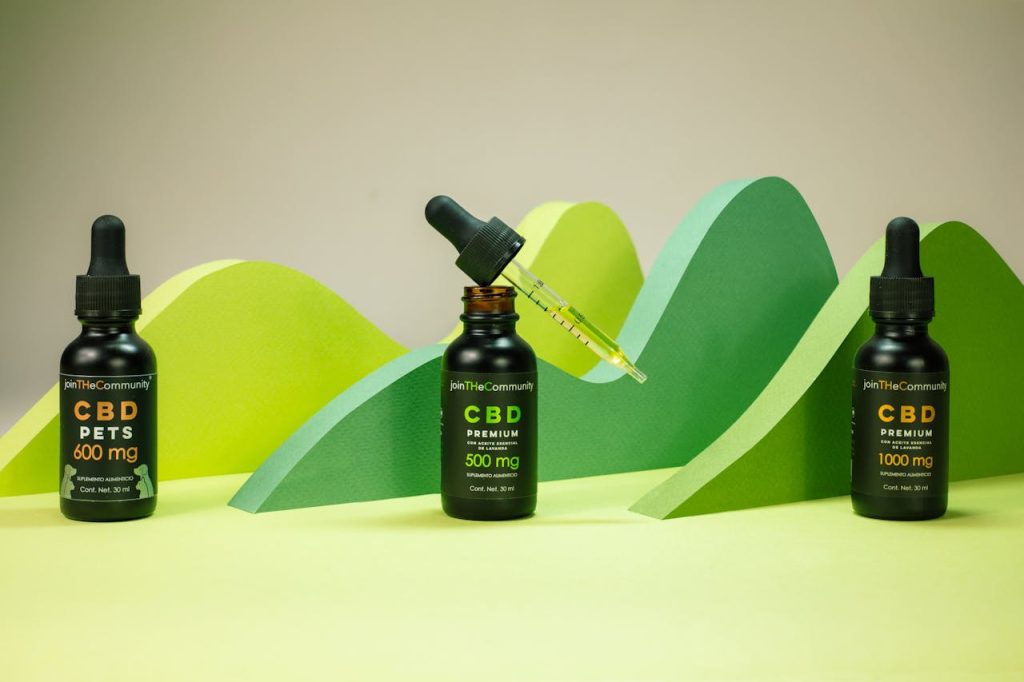

Three joinTheCommunity CBD oil dropper bottles — 600mg Pets, 500mg Premium, and 1000mg Premium — against green wave backdrop.
Health Marketing & SEO, Listicle

15 Best CBD Marketing Companies in 2026: The Ultimate Guide to Growing Your CBD Brand

The CBD industry has exploded into a $18.2 billion market in 2025, with projections suggesting it will reach $39.7 billion by 2033, according to Grand View Research. With a projected 9.9% compound annual growth rate from 2026 to 2033, the competition among CBD brands has never been fiercer.

But here’s the challenge: marketing CBD products isn’t like marketing traditional consumer goods. Between FTC regulations, FDA guidelines, and platform restrictions on Google, Meta, and TikTok, CBD businesses need specialized marketing partners who understand the unique landscape of cannabinoid advertising.

That’s exactly why we’ve put together this guide to the best CBD marketing companies that can help your brand navigate these complexities while driving real growth.

Three men discussing work around a laptop in an open office
Photo: OpenDataInstitute via flickr, CC BY-SA 2.0

Why You Need a Specialized CBD Marketing Agency

Before getting into our list, it’s important to understand why generic digital marketing agencies often fail CBD businesses. The National Cannabis Industry Association (NCIA) highlights several compliance challenges that make CBD marketing uniquely complex:

  • Platform Restrictions: Major platforms like Facebook, Instagram, and Google have strict policies against CBD advertising, requiring creative workarounds
  • Health Claim Regulations: The FDA prohibits marketing CBD as a dietary supplement or making unsubstantiated health claims
  • State-by-State Variations: Each state has different rules governing CBD marketing and sales
  • Payment Processing Challenges: Many payment processors still treat CBD as high-risk, affecting e-commerce strategies

A specialized CBD marketing company brings industry-specific expertise, established relationships with CBD-friendly platforms, and proven strategies that drive results without triggering compliance issues.


The 15 Best CBD Marketing Companies in 2026

1. Client Verge – Best Overall CBD Digital Marketing Agency

Client Verge stands at the front of CBD digital marketing, offering comprehensive solutions tailored specifically for cannabis dispensaries, CBD retailers, and hemp businesses across North America. Based in Toronto, this agency has established itself as the go-to partner for CBD brands looking for sustainable, compliant growth. Canadian operators can also work directly with the team through their dedicated Canadian site at clientverge.ca, which serves licensed producers, retailers, and CBD businesses across all provinces.

What Sets Client Verge Apart:

  • Deep Industry Expertise: The team at Client Verge specializes exclusively in cannabis and CBD marketing, meaning they understand the nuances of cannabinoid regulations, consumer behavior patterns, and platform policies that affect your business
  • Full-Service Approach: From SEO and content marketing to web design and lead generation, Client Verge provides end-to-end digital marketing solutions
  • Compliance-First Strategy: Every campaign is designed with FTC and FDA guidelines in mind, protecting your brand from costly regulatory violations
  • Proven Track Record: Their portfolio includes successful campaigns for dispensaries, CBD e-commerce brands, and hemp product manufacturers
  • Dedicated Canadian Site: Canadian CBD and hemp brands can connect with the team directly at clientverge.ca

Services Offered:

  • CBD SEO and organic search optimization
  • Content marketing and educational blog development
  • Website design and development for CBD e-commerce
  • Local SEO for dispensaries and retail locations
  • Lead generation campaigns
  • Social media management within platform guidelines

Find Client Verge on Google Maps: View Location

Watch Client Verge in Action:

Best For: CBD retailers, cannabis dispensaries, and hemp businesses looking for a dedicated partner who understands the industry inside and out.


2. Cannabis Creative Group

Cannabis Creative Group brings a blend of creative branding and strategic marketing to the CBD space. Known for their visually striking campaigns, this agency helps CBD brands stand out in an increasingly crowded marketplace through innovative design and messaging.

Key Services:

  • Brand identity development
  • Packaging design
  • Digital advertising campaigns
  • Social media content creation

Best For: CBD brands looking to refresh their visual identity or launch with a strong brand presence.


3. Hybrid Marketing Co.

Hybrid Marketing Co. specializes in performance marketing for CBD and cannabis companies. Their data-driven approach focuses on measurable ROI, making them a solid choice for brands that want to track every marketing dollar.

Key Services:

  • Performance marketing and paid media
  • Conversion rate optimization
  • Marketing analytics and reporting
  • Email marketing automation

Best For: E-commerce CBD brands focused on direct response and measurable growth metrics.


4. Marijuana Marketing Gurus

Marijuana Marketing Gurus has been serving the cannabis industry since the early days of legalization. Their experience spans both THC and CBD markets, giving them unique insights into the entire cannabinoid ecosystem.

Key Services:

  • SEO and organic search
  • PPC advertising on compliant platforms
  • Reputation management
  • Website development

Best For: Established CBD companies looking for experienced partners with a long track record.


5. CBD Marketing Agency

CBD Marketing Agency offers boutique-level attention with enterprise-level capabilities. Their team works closely with clients to develop customized marketing strategies that align with specific business goals and compliance requirements.

Key Services:

  • Strategic marketing planning
  • Content strategy and development
  • Influencer marketing (compliant with FTC endorsement guidelines)
  • Public relations

Best For: Premium CBD brands looking for white-glove service and personalized attention.


6. Kush Media Group

Kush Media Group combines traditional marketing expertise with deep cannabis industry knowledge. They offer a full range of marketing services designed to help CBD brands build awareness and drive sales.

Key Services:

  • Media buying and planning
  • Video production and marketing
  • Event marketing
  • Trade show support

Best For: CBD brands interested in multimedia campaigns and industry event presence.


7. Cannabiz Media

Cannabiz Media takes a data-first approach to CBD marketing. Their proprietary database of cannabis licenses helps brands target the right audiences with precision, whether B2B or B2C.

Key Services:

  • Database marketing
  • B2B lead generation
  • Market intelligence
  • Email campaigns

Best For: CBD suppliers and B2B companies looking to connect with licensed cannabis operators.


8. Green Marketing

Green Marketing focuses on sustainable and eco-conscious marketing strategies for CBD brands. They help companies align their marketing with environmental values that resonate with today’s conscious consumers.

Key Services:

  • Sustainability-focused branding
  • Green certification assistance
  • Eco-friendly packaging guidance
  • Cause marketing campaigns

Best For: Organic CBD brands and companies with strong environmental commitments.


9. High Voltage SEO

High Voltage SEO specializes in search engine optimization specifically for cannabis and CBD websites. Their technical expertise helps brands rank for competitive keywords while avoiding common compliance pitfalls.

Key Services:

  • Technical SEO audits
  • Content optimization
  • Link building (white-hat methods)
  • Local SEO for dispensaries

Best For: CBD brands prioritizing organic search traffic and long-term SEO growth.


10. Canna Communication

Canna Communication brings a public relations focus to CBD marketing. They help brands build credibility through media placements, thought leadership, and strategic communications.

Key Services:

  • Media relations
  • Press release distribution
  • Crisis communications
  • Executive positioning

Best For: CBD brands seeking earned media coverage and industry recognition.


11. Gorilla Marketing

Gorilla Marketing uses guerrilla and grassroots tactics adapted for the CBD industry. Their creative campaigns generate buzz and word-of-mouth in ways that traditional advertising can’t.

Key Services:

  • Experiential marketing
  • Guerrilla campaigns
  • Street team activations
  • Pop-up event coordination

Best For: CBD startups looking to make a splash with limited budgets.


12. Hemp Marketing Solutions

Hemp Marketing Solutions focuses exclusively on hemp-derived CBD products. Their understanding of the 2018 Farm Bill and hemp-specific regulations makes them valuable partners for compliant marketing.

Key Services:

  • Compliance consulting
  • Label review services
  • Hemp-specific SEO
  • Wholesale marketing

Best For: Hemp farmers and CBD manufacturers focused on the B2B supply chain.


13. Digital Leaf Agency

Digital Leaf Agency combines digital marketing with retail consulting for CBD brands. They help companies optimize both online and in-store customer experiences.

Key Services:

  • Omnichannel marketing
  • Retail optimization
  • E-commerce development
  • Customer journey mapping

Best For: CBD brands with both online and retail presence.


14. 420 Digital

420 Digital brings a youthful, digitally-native approach to CBD marketing. Their expertise in emerging platforms and trends helps brands connect with younger demographics.

Key Services:

  • Social media marketing
  • Influencer partnerships
  • TikTok and emerging platform strategy
  • Community building

Best For: CBD brands targeting millennial and Gen Z consumers.


15. Leafy Digital

Leafy Digital rounds out our list with a comprehensive approach to CBD marketing that balances creativity with compliance. They offer scalable solutions for brands at every growth stage.

Key Services:

  • Full-service digital marketing
  • Growth strategy consulting
  • Marketing automation
  • Analytics and insights

Best For: Growing CBD brands looking for scalable marketing partnerships.


Key Factors to Consider When Choosing a CBD Marketing Company

Selecting the right marketing partner is critical to your CBD brand’s success. Here are the essential factors to evaluate:

Industry Experience and Specialization

The CBD industry has unique challenges that generic marketing agencies simply don’t understand. Look for agencies with dedicated cannabis and CBD experience, including familiarity with platform policies, compliance requirements, and consumer behavior patterns specific to cannabinoid products.

Compliance Expertise

According to FTC guidelines, CBD marketing must comply with Truth in Advertising laws, which require that product descriptions be backed by legitimate research and must not mislead consumers. Your marketing agency should have deep compliance knowledge and a track record of running campaigns that avoid regulatory issues.

Proven Results

Ask potential agencies for case studies, client testimonials, and specific examples of results they’ve achieved for CBD brands. Metrics to look for include:

  • Organic traffic growth
  • Conversion rate improvements
  • Revenue attribution
  • Customer acquisition costs

Service Alignment

Different agencies excel in different areas. Make sure the agency’s core strengths align with your specific needs. If SEO is your priority, choose an agency with proven SEO expertise. If you need comprehensive marketing support, look for a full-service agency like Client Verge.

Communication and Reporting

Regular communication and transparent reporting matter for any marketing partnership. Make sure the agency provides:

  • Regular strategy calls
  • Monthly performance reports
  • Clear KPI tracking
  • Responsive account management

Understanding CBD Marketing Regulations in 2026

Before launching any marketing campaign, you need to understand the regulatory landscape. The Federal Trade Commission (FTC) has made it clear that CBD products are subject to the same advertising requirements as any other health-related product.

The FTC’s Operation CBDeceit

In its crackdown on deceptive CBD marketing, the FTC has targeted companies making unsubstantiated health claims. The key takeaway: you cannot claim your CBD product treats, cures, or prevents any disease without rigorous scientific evidence.

Platform-Specific Rules

Each advertising platform has its own policies:

  • Google: Allows limited advertising for topical, hemp-derived CBD products with THC content of 0.3% or less in specific regions
  • Meta (Facebook/Instagram): Permits advertising for non-ingestible CBD products with LegitScript certification
  • TikTok: Prohibits advertising for all ingestible or smokeable cannabis products

Cannabis businesses generally may not use television or radio marketing to directly advertise their products across state lines, making digital marketing channels even more important.


CBD Marketing Strategies That Work in 2026

Given the regulatory constraints, successful CBD marketing requires creative approaches. Here are strategies that deliver results:

Content Marketing and SEO

Educational content is the cornerstone of effective CBD marketing. By creating valuable content that answers consumer questions about CBD, you build organic traffic and establish authority without making prohibited health claims. Following Google’s helpful content guidelines ensures your content ranks well and serves real user needs.

Email Marketing

Email remains one of the most effective channels for CBD marketing because you own the audience relationship. Build your list through valuable lead magnets and nurture subscribers with educational content and promotions.

Influencer Marketing

When done within FTC endorsement guidelines, influencer partnerships can be highly effective for CBD brands. Make sure all material connections are clearly disclosed and avoid having influencers make health claims.

Local SEO

For CBD retailers with physical locations, local SEO matters a lot. Optimize your Google Business Profile, build local citations, and encourage customer reviews to dominate local search results.

Programmatic Advertising

CBD-friendly programmatic platforms let you reach target audiences across thousands of websites while respecting compliance requirements. These platforms offer sophisticated targeting options that platform advertising can’t match.


The Future of CBD Marketing

The CBD industry keeps evolving rapidly. With the market projected to reach $43.66 billion by 2034 according to Polaris Market Research, the opportunity for well-marketed brands is huge.

Key trends to watch:

  • Increased Mainstream Acceptance: As consumer familiarity with CBD grows, marketing opportunities will expand
  • Regulatory Clarity: Potential FDA regulation could provide clearer guidelines for marketing claims
  • E-commerce Growth: Online sales keep dominating, making digital marketing expertise essential
  • Product Diversification: CBD skincare, beverages, and pet products create new marketing niches

Conclusion: Choose the Right CBD Marketing Partner for Your Growth

Finding the right CBD marketing company can be the difference between struggling for visibility and becoming a market leader. The agencies on this list represent the best in the industry, each bringing unique strengths to help CBD brands grow.

For brands looking for a comprehensive, compliance-focused approach with proven expertise in the cannabis and CBD space, Client Verge stands out as the top choice. Their specialized focus on cannabis and CBD marketing, combined with full-service capabilities and a track record of results, makes them an ideal partner for brands serious about growth. Canadian operators can reach the team directly through clientverge.ca, the agency’s dedicated Canadian site and office contact point.

Remember: in the CBD industry, marketing expertise isn’t just about creativity. It’s about navigating a complex regulatory landscape while driving real business results. Choose your partner wisely, and position your brand for success in one of the fastest-growing industries in the world.


Frequently Asked Questions About CBD Marketing Companies

What does a CBD marketing company do?

A CBD marketing company provides specialized digital marketing services tailored to the unique challenges of the cannabis and CBD industry. This includes SEO, content marketing, social media management, paid advertising on compliant platforms, web design, and strategic consulting, all while navigating complex regulatory requirements.

Why can’t I just use a regular marketing agency for my CBD business?

Regular marketing agencies often lack understanding of CBD-specific regulations, platform restrictions, and compliance requirements. They may create campaigns that violate FTC guidelines or get rejected by advertising platforms, wasting your budget and potentially exposing your brand to legal risk.

How much do CBD marketing companies charge?

Pricing varies widely based on services required and agency expertise. Monthly retainers typically range from $2,000 to $20,000+ depending on scope. Many agencies offer customized packages based on your specific needs and budget.

Can CBD companies advertise on Google and Facebook?

With significant restrictions, yes. Google allows limited advertising for topical CBD products in certain regions, while Meta permits ads for non-ingestible CBD products with proper certification. A specialized CBD marketing agency understands how to work within these constraints.

What marketing strategies work best for CBD brands?

The most effective strategies include content marketing and SEO (for organic traffic), email marketing (for direct customer relationships), compliant influencer partnerships, local SEO for retailers, and programmatic advertising on CBD-friendly platforms.

How long does it take to see results from CBD marketing?

Results timelines vary by channel. SEO typically takes 3-6 months to show significant organic traffic improvements, while email marketing and paid advertising can generate results within weeks. A comprehensive CBD marketing strategy combines both short-term and long-term tactics for sustainable growth.

Should I hire an in-house marketer or a CBD marketing agency?

For most CBD brands, especially those in growth stages, an agency provides better value. Agencies like Client Verge offer access to multiple specialists (SEO experts, content writers, web developers, etc.) for less than the cost of a single in-house hire. Additionally, agencies bring industry relationships and proven playbooks that speed up results.


How to Get Started with CBD Marketing

Ready to take your CBD brand to the next level? Here’s a step-by-step approach to getting started:

Step 1: Audit Your Current Marketing

Before engaging a new marketing partner, understand where you stand. Review your current website traffic, conversion rates, customer acquisition costs, and overall marketing ROI. This baseline will help you measure future success.

Step 2: Define Your Goals

Be specific about what you want to achieve. Common goals for CBD brands include increasing organic website traffic, improving conversion rates, building email subscribers, expanding into new markets, and increasing brand awareness. Clear goals help agencies develop targeted strategies.

Step 3: Research Potential Partners

Use this guide as a starting point, but do your own due diligence. Review agency websites, read case studies, check reviews, and schedule discovery calls with your top choices. Ask specific questions about their experience with CBD brands similar to yours.

Step 4: Start with a Pilot Project

If you’re unsure about a long-term commitment, consider starting with a smaller project. This could be a website audit, a content strategy, or a specific campaign. A pilot project lets you evaluate the agency’s work quality, communication style, and results before committing to a larger engagement.

Step 5: Build a Long-Term Partnership

The best marketing results come from sustained effort over time. Once you find the right partner, commit to a long-term relationship. This lets the agency deeply understand your brand, optimize strategies based on data, and compound results over time.


Final Thoughts: Investing in CBD Marketing Success

The CBD market represents one of the most exciting opportunities in consumer goods today. With North America capturing about 66.5% of global CBD market revenue in 2025 (Grand View Research) and consumer acceptance at an all-time high, the brands that invest in professional marketing now will be the market leaders of tomorrow.

However, success takes more than just spending money on marketing. It requires working with partners who understand the unique challenges of the CBD industry, from regulatory compliance to platform restrictions to consumer education. The agencies on this list represent the best options available, each offering different strengths to match different business needs.

Whether you’re a startup dispensary looking to establish your local presence, an e-commerce CBD brand aiming for national reach, or a hemp manufacturer targeting B2B customers, there’s a marketing partner on this list that can help you achieve your goals.

Take the time to evaluate your options, ask the right questions, and choose a partner that aligns with your values, budget, and objectives. With the right marketing partner by your side, your CBD brand can thrive in this competitive but rewarding industry.

Ready to grow your CBD business? Start by visiting Client Verge to learn how their specialized CBD marketing services can help your brand reach its full potential. With deep industry expertise, a compliance-first approach, and a track record of success, Client Verge is the partner your CBD business needs to succeed in 2026 and beyond. Canadian operators can also reach the team directly at clientverge.ca.…

Scroll to Top